The Fifth Sister2026
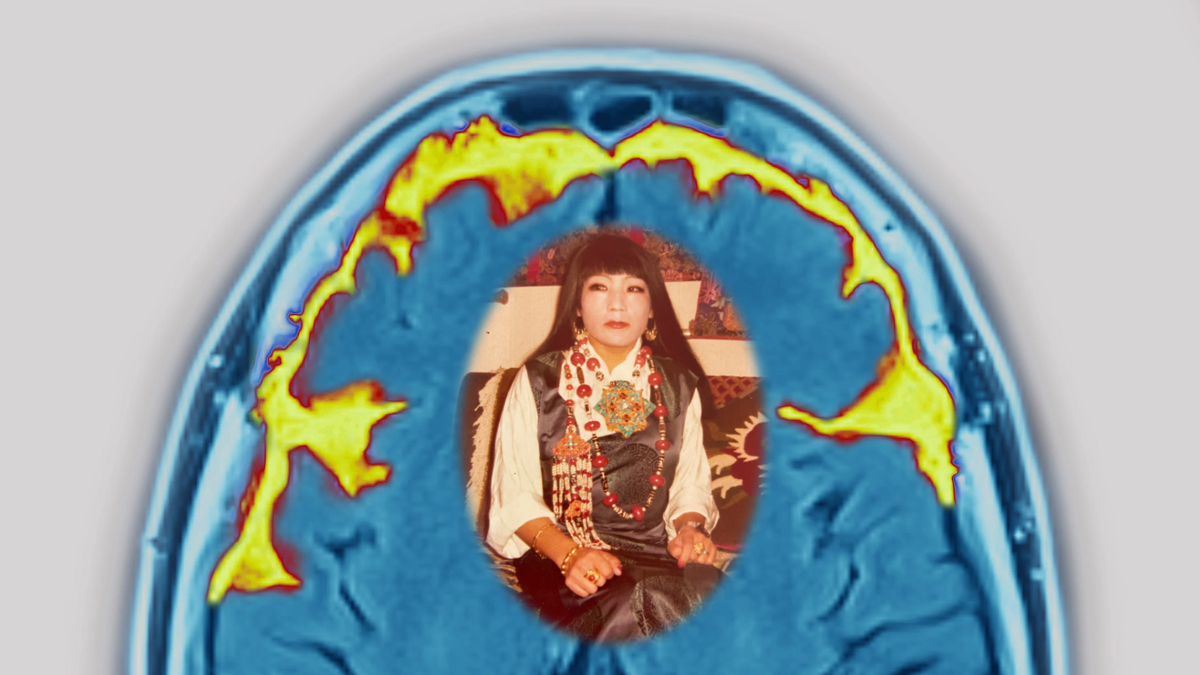
The Fifth Sister is a multimedia installation where four Tibetan sisters imagine a missing fifth, embodying lost lives shaped by migration. Blending interviews, memory, and AI-generated imagery, it explores oral knowledge, dementia as testimony, and the space between archive, imagination, and identity.
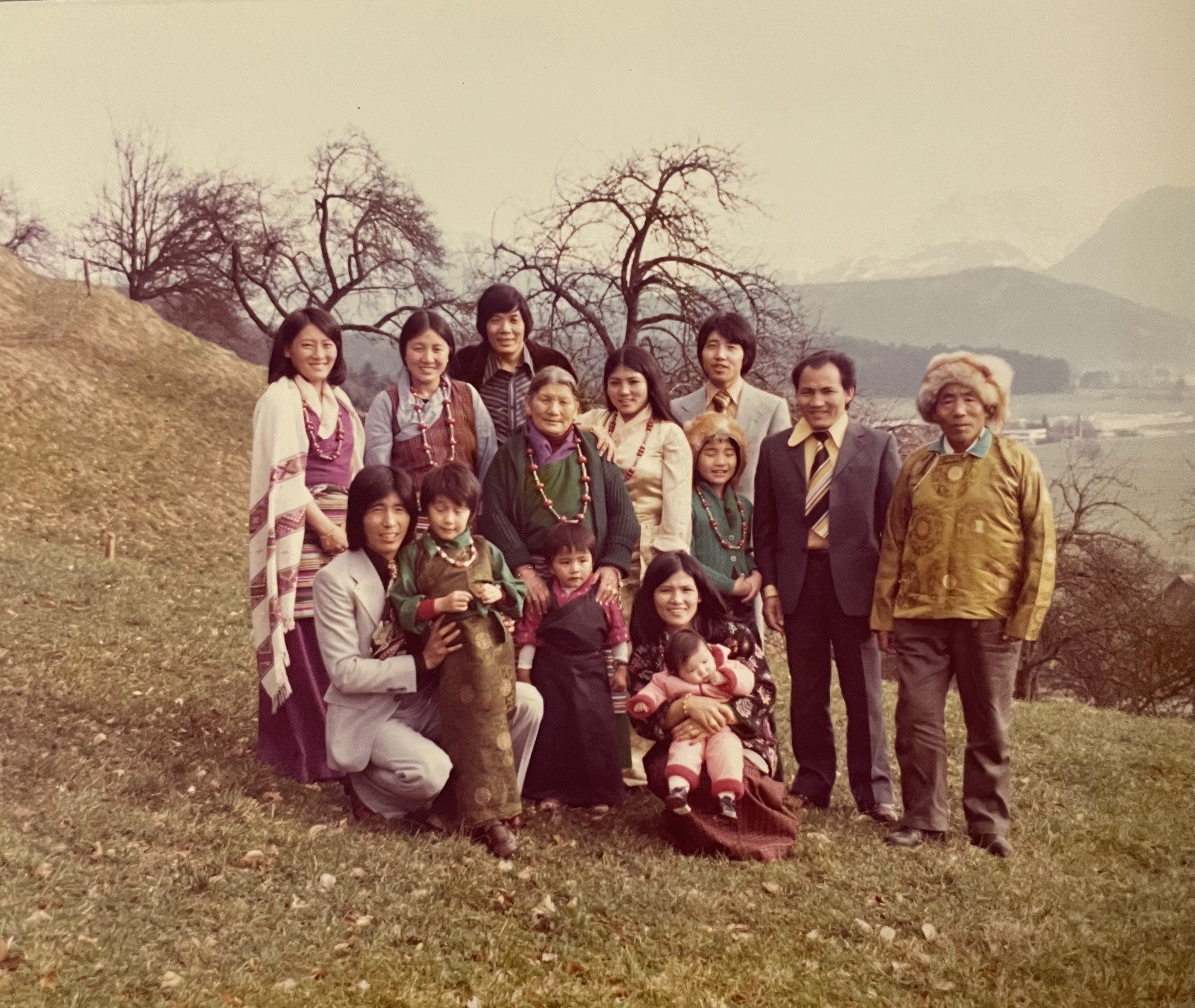
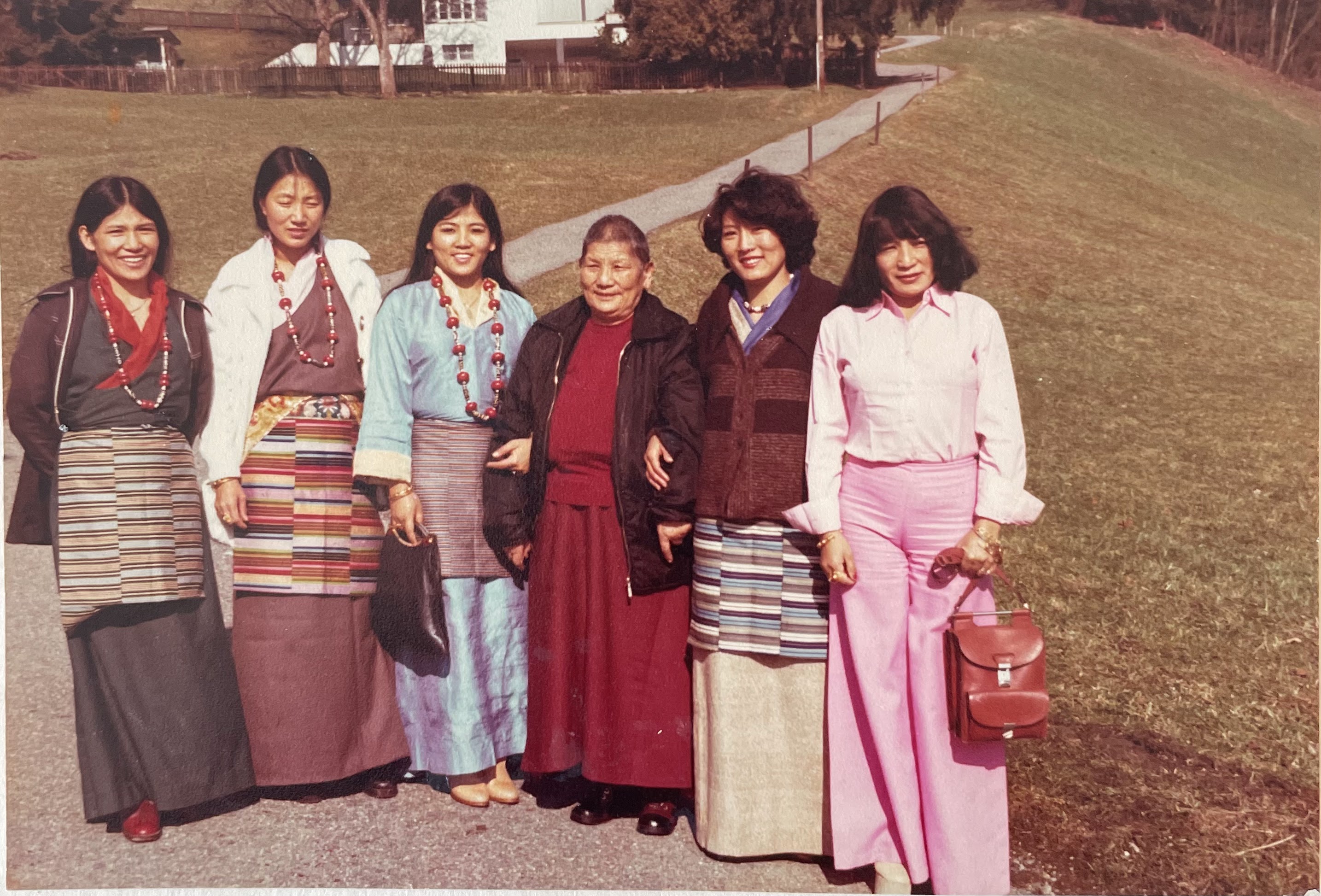
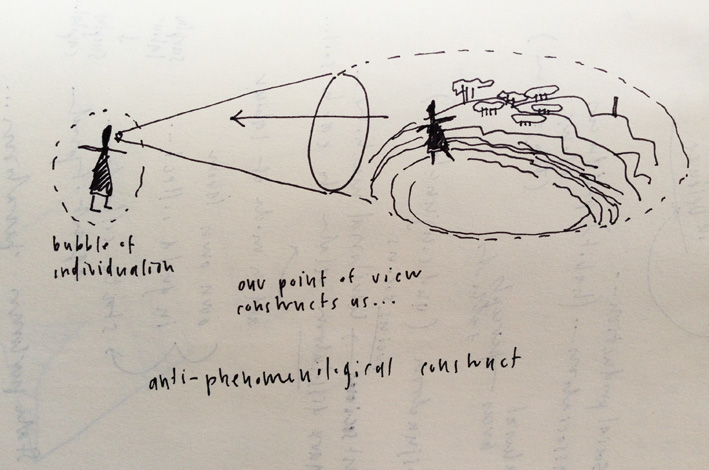
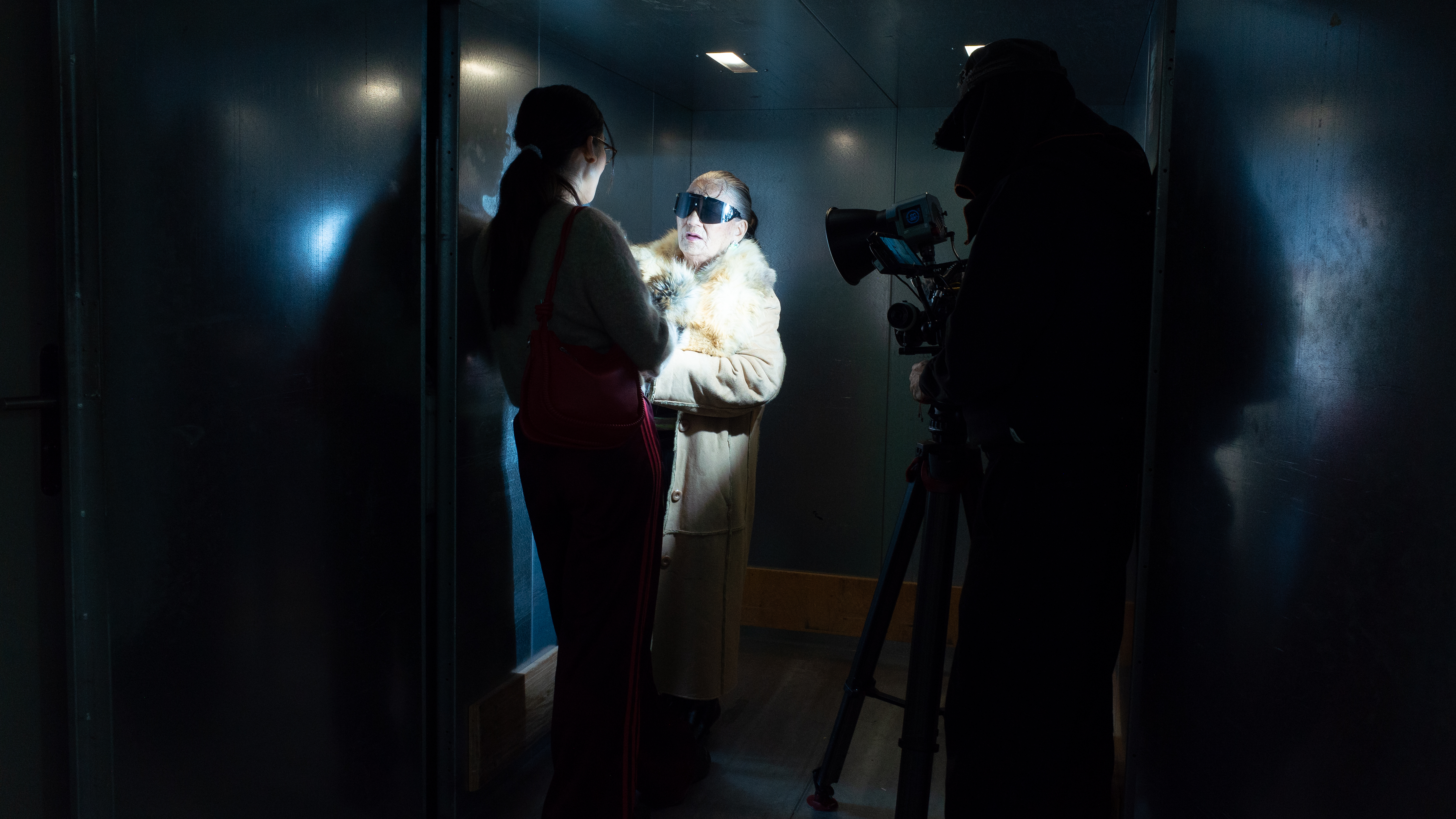
The Fifth Sister is a multi-media installation developed under Haus Gawaling, a project-based artistic platform rooted in a Tibetan family house. Through filmed interviews, four Tibetan sisters collectively conjure the figure of a Fifth Sister—an imagined presence embodying unrealized lives and foreclosed possibilities shaped by migration and displacement. The project situates itself within a post-print epistemic shift: a cultural moment in which truth is no longer verified through institutional archives but transmitted through oral tradition, affective resonance, and collective memory. Diaspora communities have always operated in this mode—knowledge held in bodies, gestures, and spoken recollection rather than documentation. The Fifth Sister makes this condition visible. The eldest sister, who is experiencing dementia, moves fluidly between memory and invention. The project understands this not as cognitive decline, but as a different epistemic mode—a form of privileged testimony where lived experience and imagined possibility become inseparable. In a neo-oral culture where truth is increasingly vibed rather than verified, her way of knowing becomes a methodology.
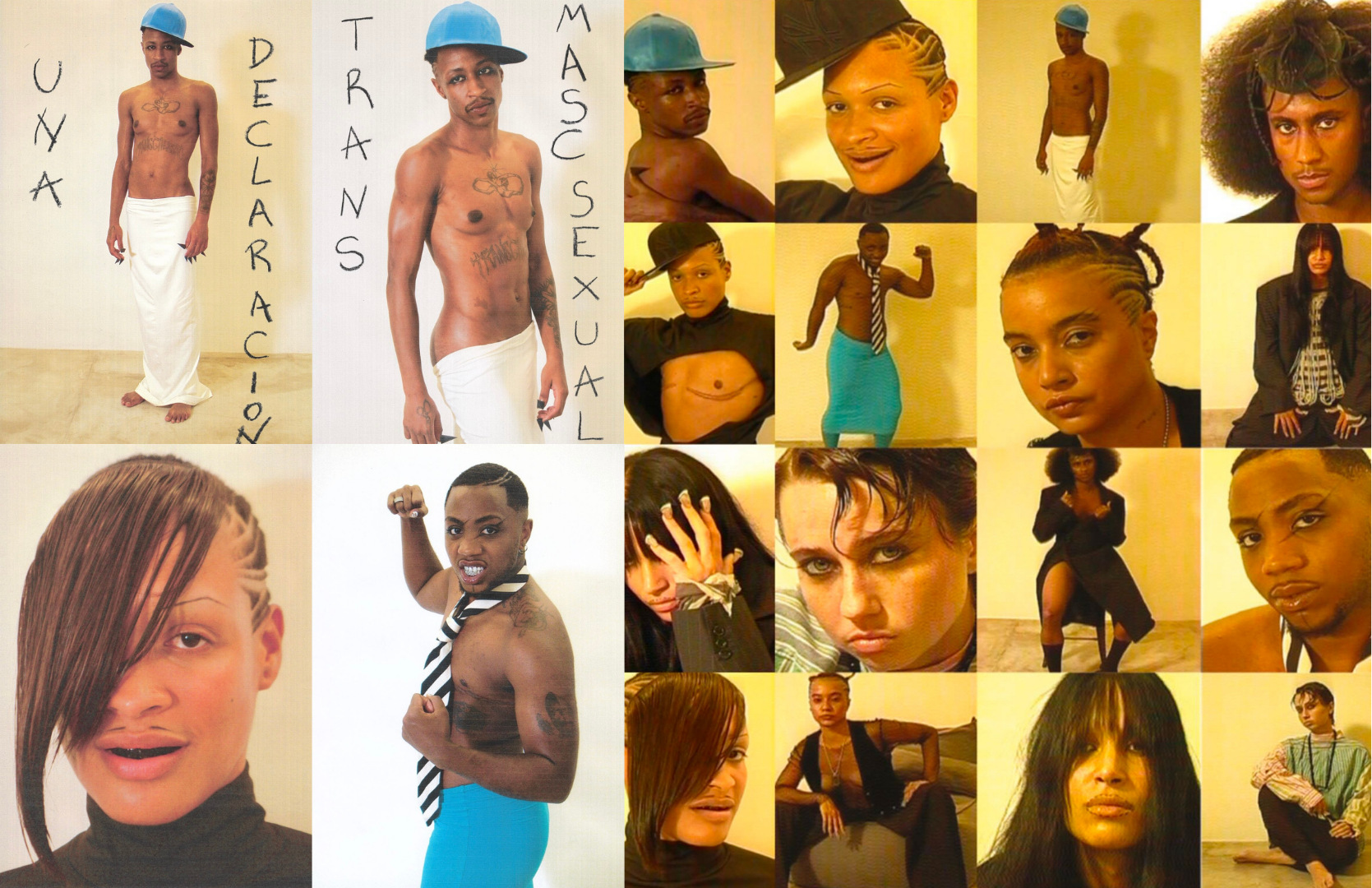
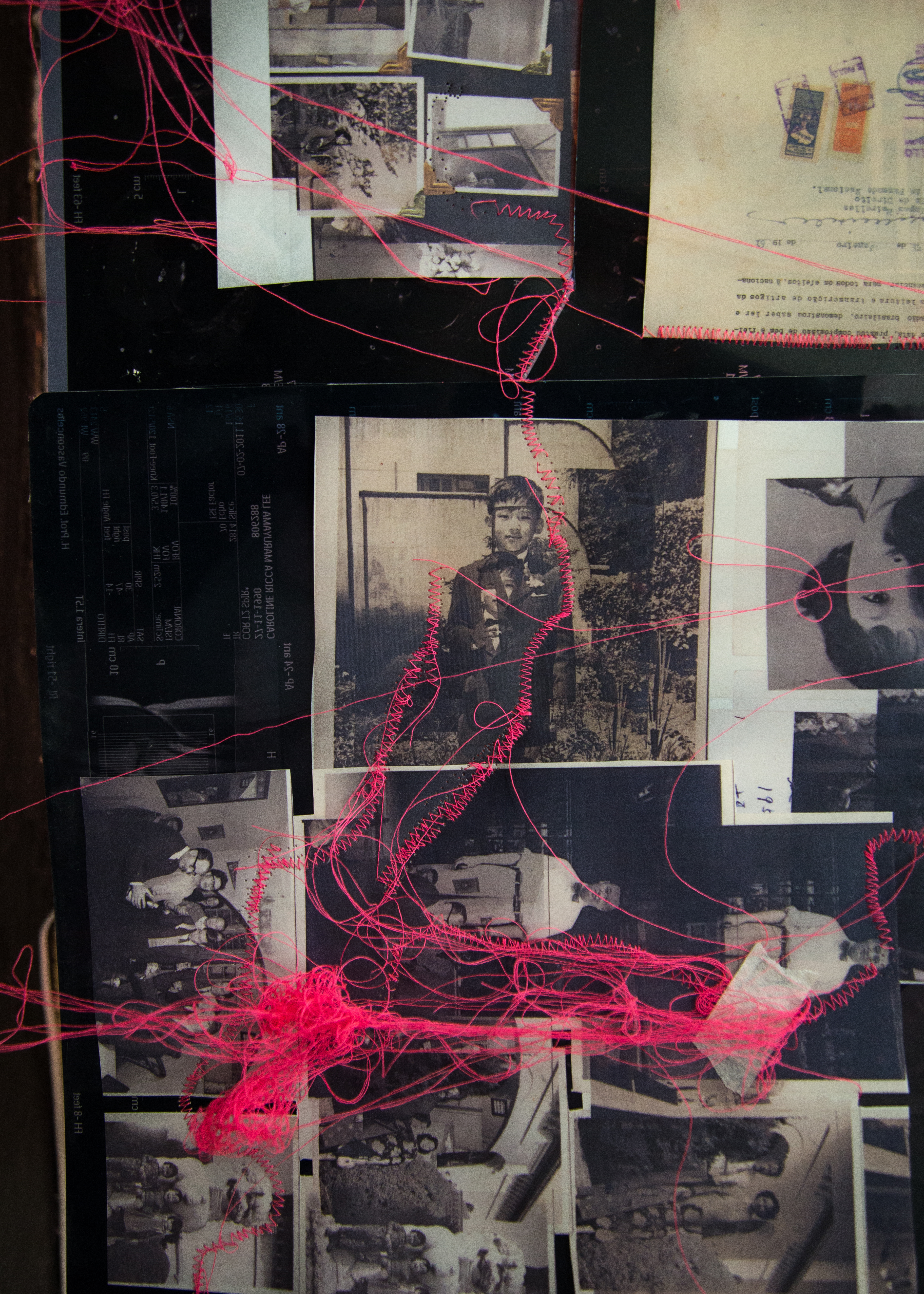
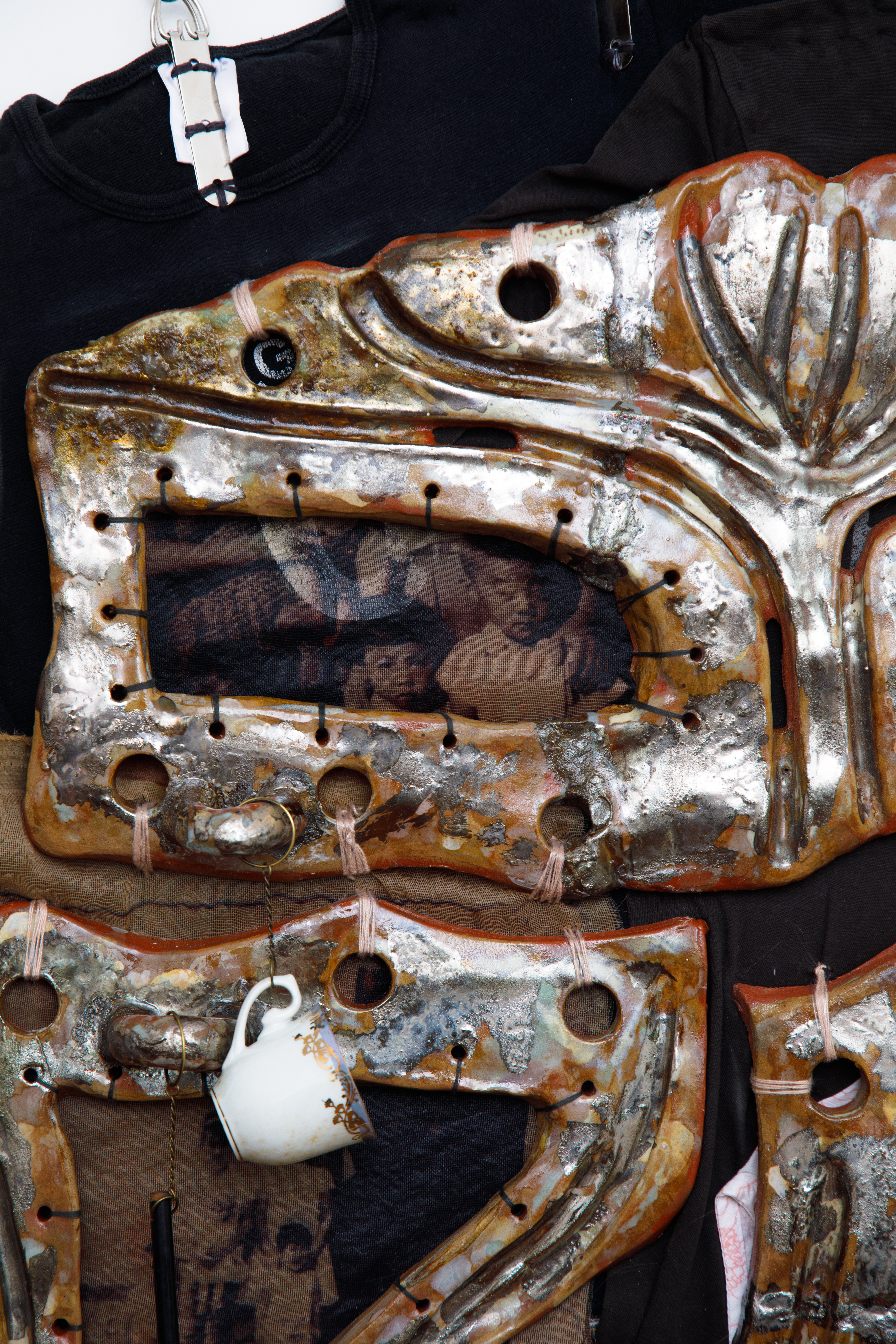
The installation combines documentary footage with algorithmically generated imagery trained on biographical fragments, family photographs, and spoken recollections. These layered visual and sonic elements give form to the Fifth Sister as a speculative figure existing between archive and imagination. The use of generative tools is approached critically and conceptually—not as spectacle, but as a means of extending oral tradition into new visual language, asking what technology can conjure that documentation cannot. Physical traces—garments and personal objects suggesting a life never lived—extend the work into space, activating the exhibition as both fictional archive and living memory.
Realization within six months is not only logistically feasible — it is conceptually necessary. The urgency of recording the eldest sister's testimony before further memory loss occurs makes time itself an artistic material. This focused production period will capture irreplaceable interviews, develop a critical visual language, and create an intimate institutional presentation that demonstrates the methodology while establishing a durable archive. The Fifth Sister engages with questions around cultural inheritance, cognitive difference, and post-migration identity. Rather than offering a linear narrative, it invites audiences into a liminal space between documentation and speculation—asking how communities preserve what has been lived, while giving form to what could never fully exist.